
When the Clock Hits Friday: A Quick Escape
Friday evening, the office lights dim and the buzz of the city outside fades to a distant hum. I pull up my phone, open the latest mobile game, and within seconds the world of pixelated forests and neon cities unfolds. That instant shift from work to play is the first hint that mobile gaming is reshaping how we spend our weekends.
Micro‑Sessions, Big Impact
Most people think of gaming as a marathon. In reality, the average mobile session lasts about 12 minutes. That bite‑size format fits neatly into a coffee break, a bus ride, or the pause between chores. I’ve noticed that this structure lets me squeeze a few levels into a 45‑minute walk, turning idle time into something engaging without demanding a full hour.
Because the games are designed for short bursts, the learning curve is gentle. A new title might take five minutes to understand the controls, and you can pick up where you left off in the next session. This continuity keeps the experience fresh, preventing the frustration that can come from starting over after a long break.
Social Threads Weave In
Mobile platforms have made it simple to connect. In many games, you can send a quick challenge to a friend or compare high scores via a single tap. I’ve seen friends who used to meet up for a round of darts now compete in a puzzle game while chatting over the phone. The social element turns solitary play into a shared pastime, extending the weekend’s social calendar without the need for physical gathering.
However, this connectivity can backfire. If a friend’s leaderboard status is too high, it can feel discouraging. I’ve had to remind myself that the goal is fun, not competition, especially when the leaderboard changes every hour.
Digital Escapes on Demand
The convenience of having a full library in your pocket means that the weekend’s leisure can pivot instantly. One Saturday, I was stuck in traffic; instead of idly scrolling, I launched a strategy game that required only a few taps to progress. The game’s quick load time—under 3 seconds for most titles—meant I was back on the road with a clear mind.
That same flexibility extends to mood. If I feel relaxed, I’ll pick a casual match‑3 game. If I’m in the mood for a challenge, I’ll switch to a puzzle that demands logic and patience. The choice is always at my fingertips, and the app stores provide ratings and reviews that help me decide without spending extra time researching.
Balancing Screen Time
It’s easy to fall into a loop of continuous play. Most developers include a daily limit feature, nudging you to take a break after 60 minutes of active play. I’ve found setting a personal alarm at 10:30 PM works well to prevent late‑night gaming sessions that can interfere with sleep.
Moreover, the ability to pause a game and resume later means you’re less likely to feel guilty about “wasting” time. The game’s state is saved automatically, so you can return to the exact point you left off without losing progress.
Beyond the Screen: The Wider Cultural Shift
Mobile gaming’s influence stretches beyond individual leisure choices. As more people turn to their phones for entertainment, cafes and public spaces are adapting. Wi‑Fi zones are expanding, and cafés are offering free charging stations to keep players engaged. The ripple effect is a subtle reshaping of community spaces, where people gather not only for coffee but for a quick game session.
When Leisure Meets Online Entertainment
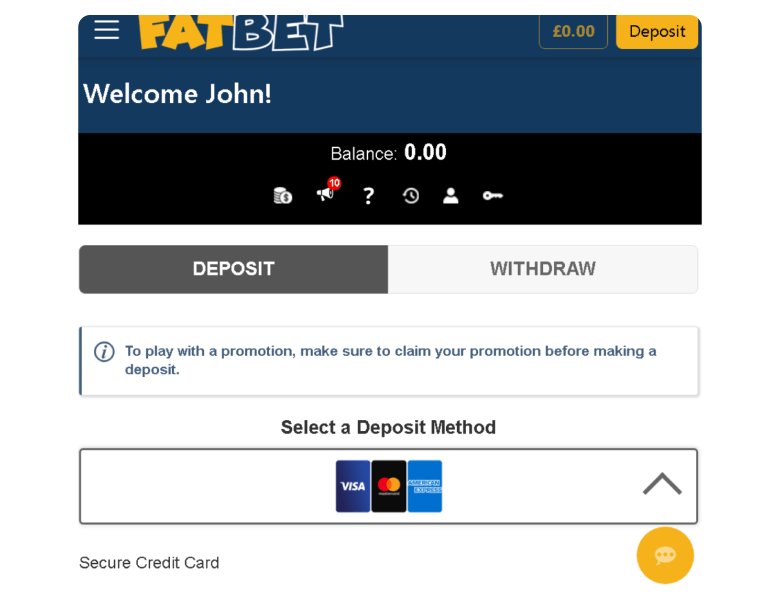
For those who crave a more immersive experience, online platforms offer a bridge between casual play and full‑scale entertainment. The fatbet casino provides a variety of games that can be accessed from a mobile device, allowing users to enjoy a broader range of titles without leaving their home.
Wrapping Up the Weekend
In the end, mobile gaming has become a flexible, social, and convenient tool for weekend relaxation. It offers quick sessions that fit into any part of the day, social connectivity that keeps friends close, and a variety of game types to match any mood. While it’s important to monitor screen time and avoid the trap of endless play, the benefits—time efficiency, social engagement, and accessible entertainment—make it a valuable addition to modern leisure routines.
Frequently Asked Questions
What is the average length of a mobile gaming session?
Typical mobile gaming sessions last around 12 minutes, offering a quick burst of entertainment.
Can short gaming sessions improve productivity?
Yes, brief gaming breaks can refresh the mind, leading to increased focus and efficiency when you return to work.
What types of games fit into micro‑sessions?
Casual, puzzle, and arcade titles with simple objectives are ideal for quick play and easy pick‑up.
Total reviews
Persons recommended this product
Anonymous
Shopper
check_circle Verified
Shop owner replied
Anonymous
Shopper
check_circle Verified
Shop owner replied
Thanks for your review!
Your feedback helps us improve our service.
Il n'y a pas encore d'avis.
Be the first to review “ ”
Only logged in customers who have purchased this product may leave a review